Skip to content

From Research Questions to Scientific Solutions.

Better research begins with a better plan.

Scientific consulting, computational biology, experimental strategy and academic mentorship for researchers, students and organisations.

  • Molecular & cell biology
  • Docking & bioinformatics
  • Thesis & PhD mentorship
  • Data & automation
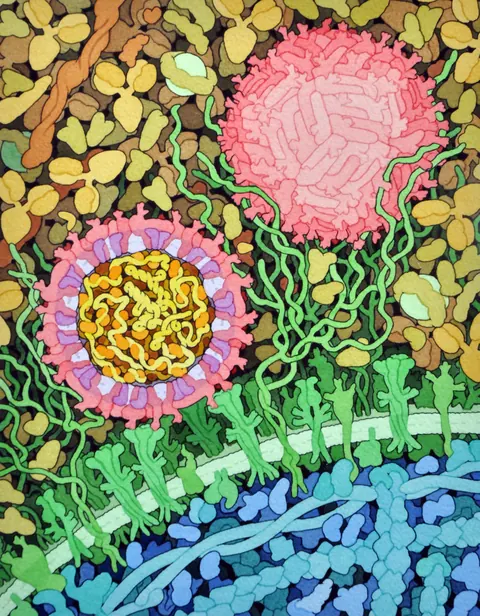
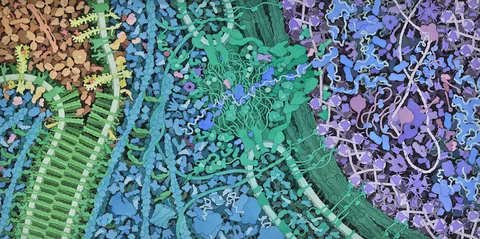
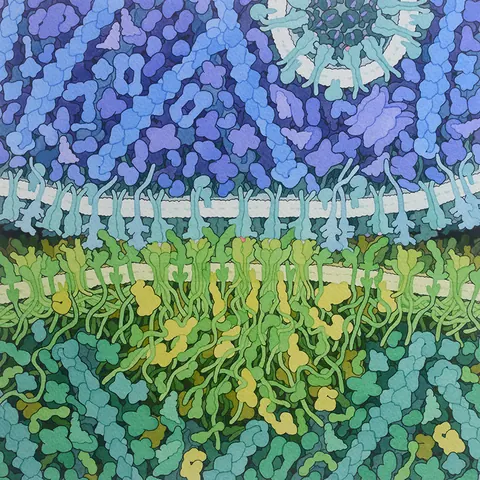
This painting depicts the VegF signaling pathway and some of its consequences. Blood serum is at upper left, with VegF in red
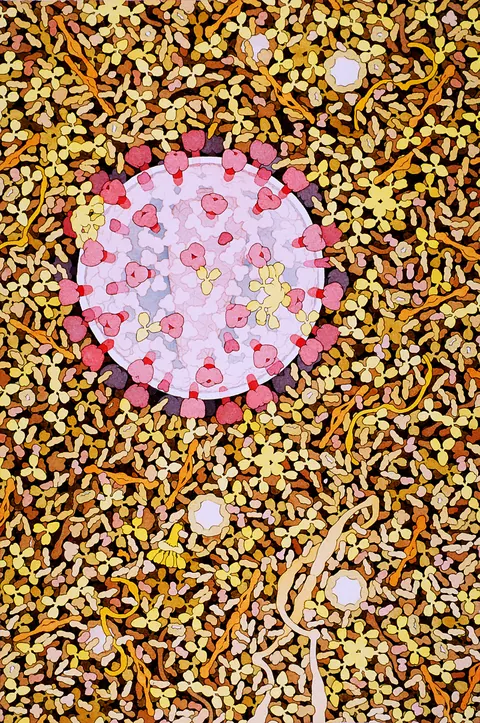
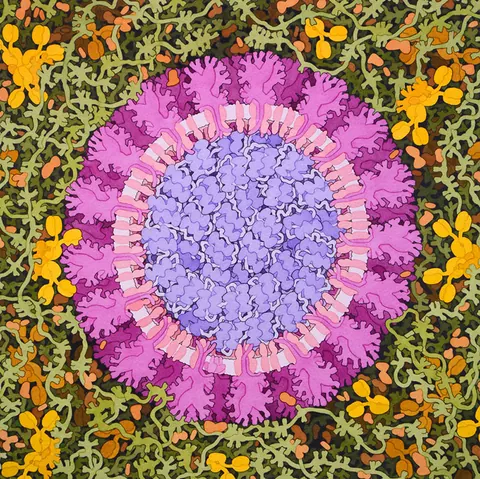
This painting depicts a coronavirus just entering the lungs, surrounded by mucus secreted by respiratory cells, secreted antibodies, and several small immune systems proteins. The virus is enclosed by a membrane that includes the S (spike) protein, which will mediate attachment and entry into cells,
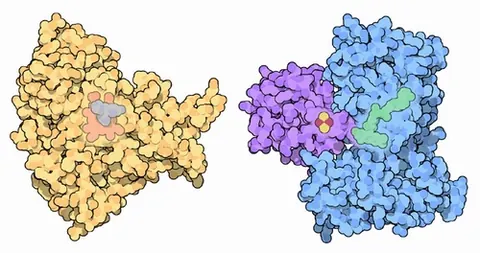
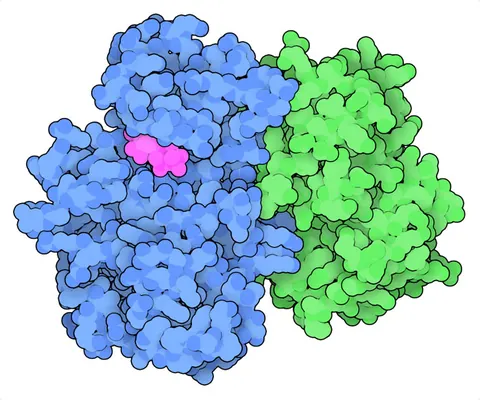
3D structure of the Abl kinase domain bound to imatinib (PDB 2HYY).

Imatinib bound to Abl · PDB 2HYY

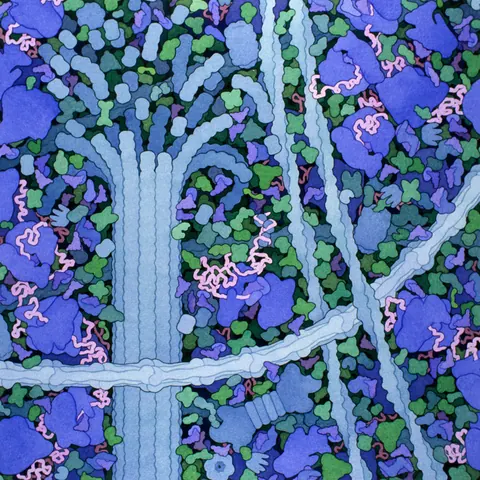
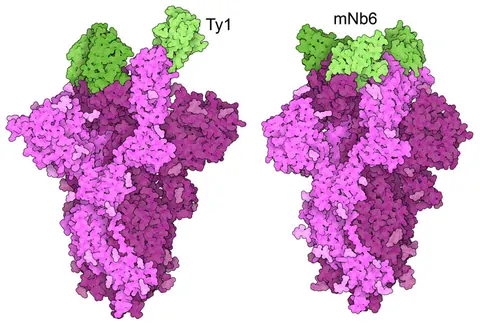
Images: D. S. Goodsell & RCSB PDB, CC BY 4.0

7

Service families

5

Research areas

Always

Written scope before any payment

Never

Ghost-writing or fabricated data

Start here

Where are you in your research?

Choose the description that fits you best — we will point you to the services that usually help most.

I’m a student

I’m a researcher

I represent an organisation

A research group, department or biotech company that needs systems, training or R&D input.

Services

Seven ways we can help

Each service has a named lead, a defined scope and stated limits. Not every project needs every service.
01

Scientific & Research Consulting

Sharpen the research question, choose a defensible design and plan the work before time and reagents are spent.

For:
Postgraduate researchers and early-career scientists
Lead:
Scientific Lead
Explore service
02

Computational Biology & Bioinformatics

Docking, network pharmacology and reproducible analysis workflows — with honest limits on what in silico results mean.

For:
MPhil and PhD researchers adding an in silico chapter
Lead:
Scientific Lead
Explore service
03

Wet-Lab Strategy & Experimental Research Support

Experimental planning, assay design, troubleshooting and interpretation from a scientist with long bench experience. Hands-on work is coordinated only with qualified external laboratories.

For:
Postgraduate students designing or troubleshooting experiments
Lead:
Scientific Lead
Explore service
04

Thesis, Dissertation & Research Project Support

Ethical, methodology-first support for BS, MSc, MPhil and PhD researchers. You remain the author; we help you plan, analyse, present and defend your own work.

For:
BS and MSc students starting a research project
Lead:
Scientific Lead
Explore service
05

International Scholarships & Academic Mentorship

Structured mentorship for prospective MPhil and PhD applicants: profile assessment, supervisor search, documents and interview preparation — based on official university and funder information.

For:
Graduates in Pakistan planning an MPhil or PhD abroad
Lead:
Scientific Lead
Explore service
06

Scientific Data Analytics, AI & Automation

Dashboards, trackers, validated data pipelines and automated reports for research groups and organisations — built so that you own and understand them.

For:
Research groups tracking students, samples, experiments or grants
Lead:
Technology Lead
Explore service
07

Institutional & Business Services

Workflow design, reporting, documentation, training and R&D consultation for research groups, departments and biotechnology businesses — activated case by case.

For:
University departments and research groups
Lead:
Technology Lead
By arrangement

Not sure which service fits?

Describe the problem in your own words. We will tell you what kind of help makes sense — or if we are not the right people.

Ask us

Molecules & targets

Drugs meet their targets

Kinase inhibitors, hormone-receptor drugs and antivirals — real experimental structures from the Protein Data Bank, the kind of targets we help researchers study, model and interpret.
Computational biology
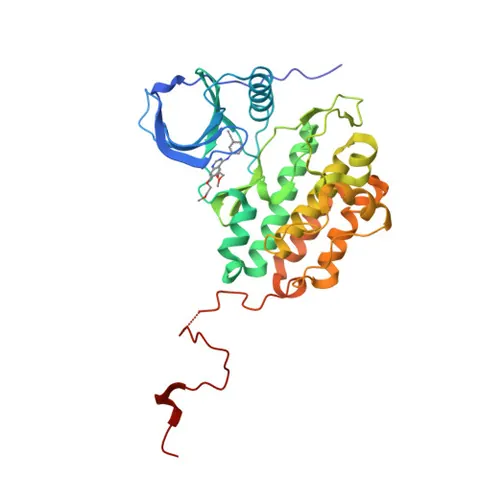
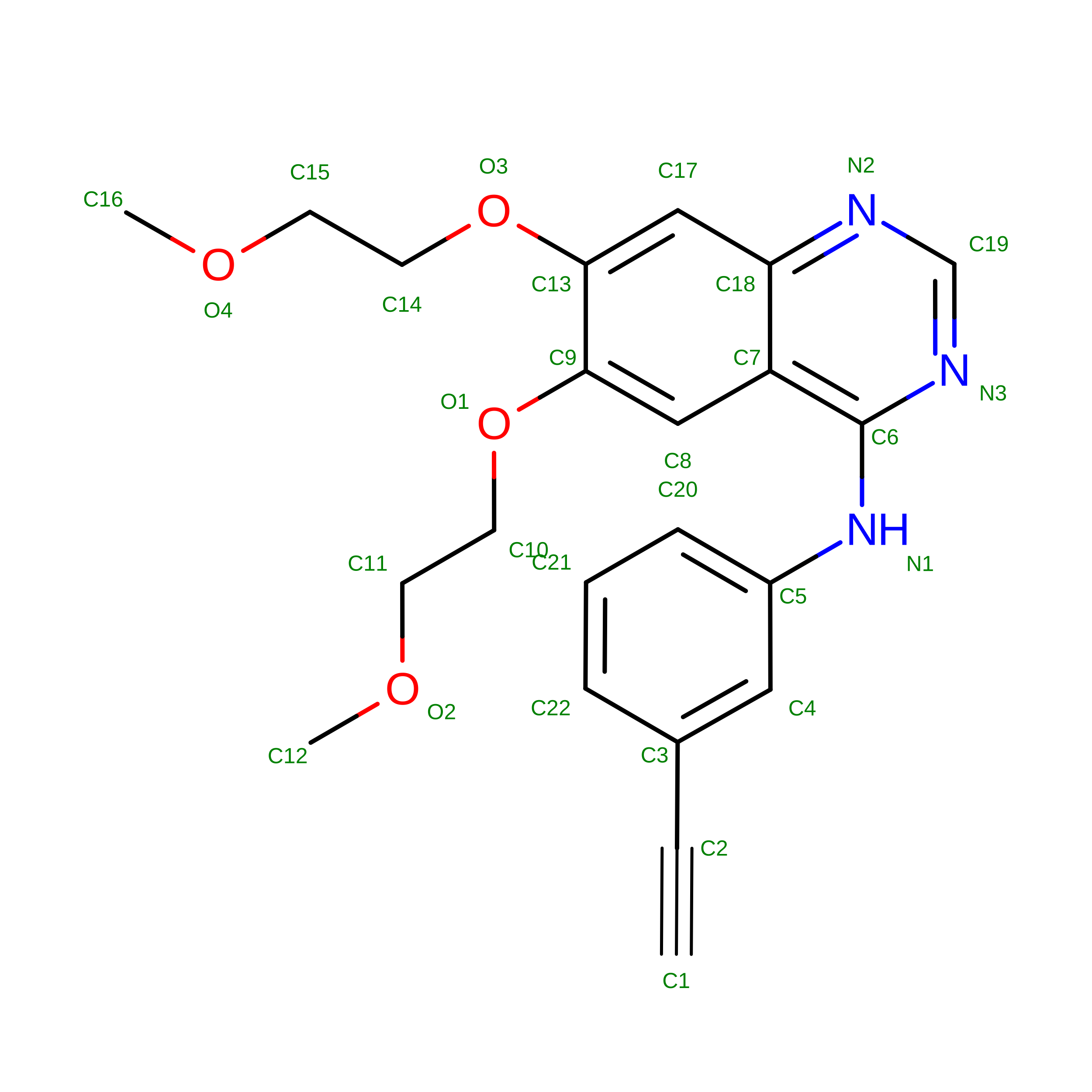
  • 3D structure of the EGFR kinase domain bound to erlotinib (PDB 1M17).
    Chemical structure of erlotinib

    PDB 1M17

    Erlotinib

    bound to the EGFR kinase domain

    X-ray, 2.6 Å · RCSB PDB · CC BY 4.0

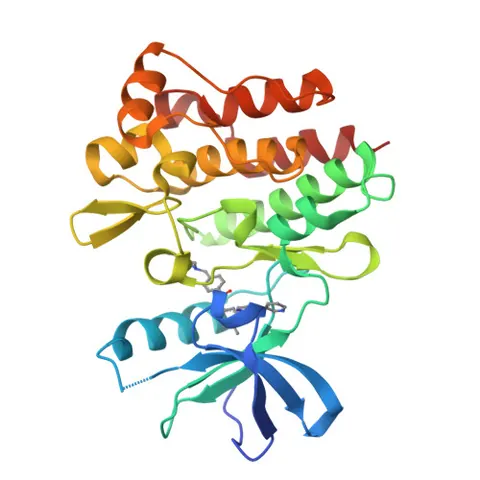
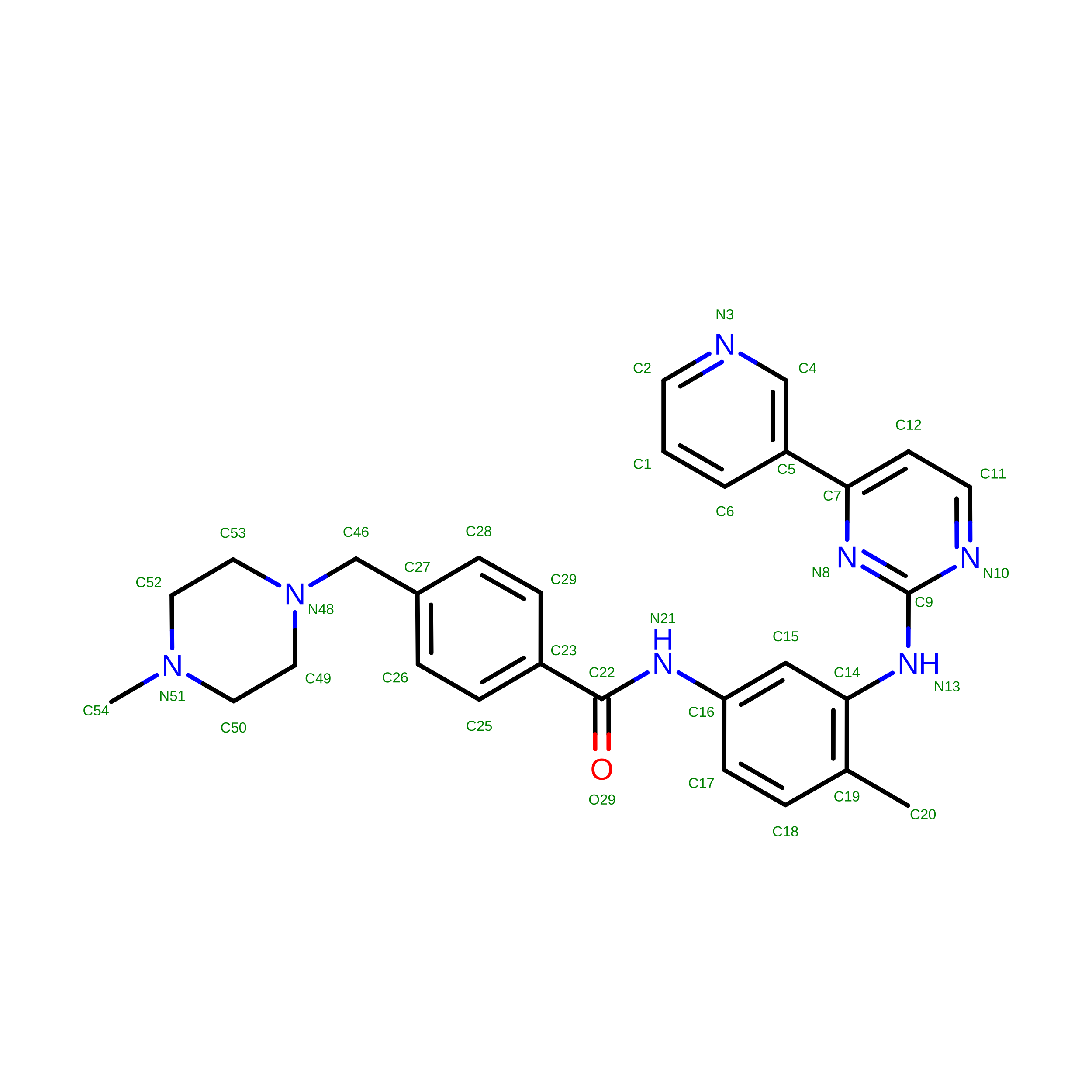
  • 3D structure of the Abl kinase domain bound to imatinib (PDB 2HYY).
    Chemical structure of imatinib

    PDB 2HYY

    Imatinib

    bound to the Abl kinase domain

    X-ray, 2.4 Å · RCSB PDB · CC BY 4.0

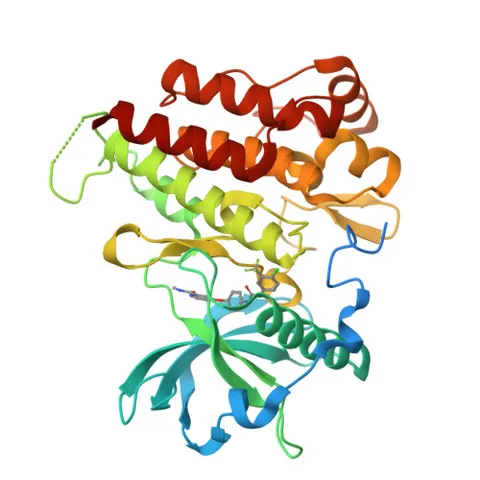
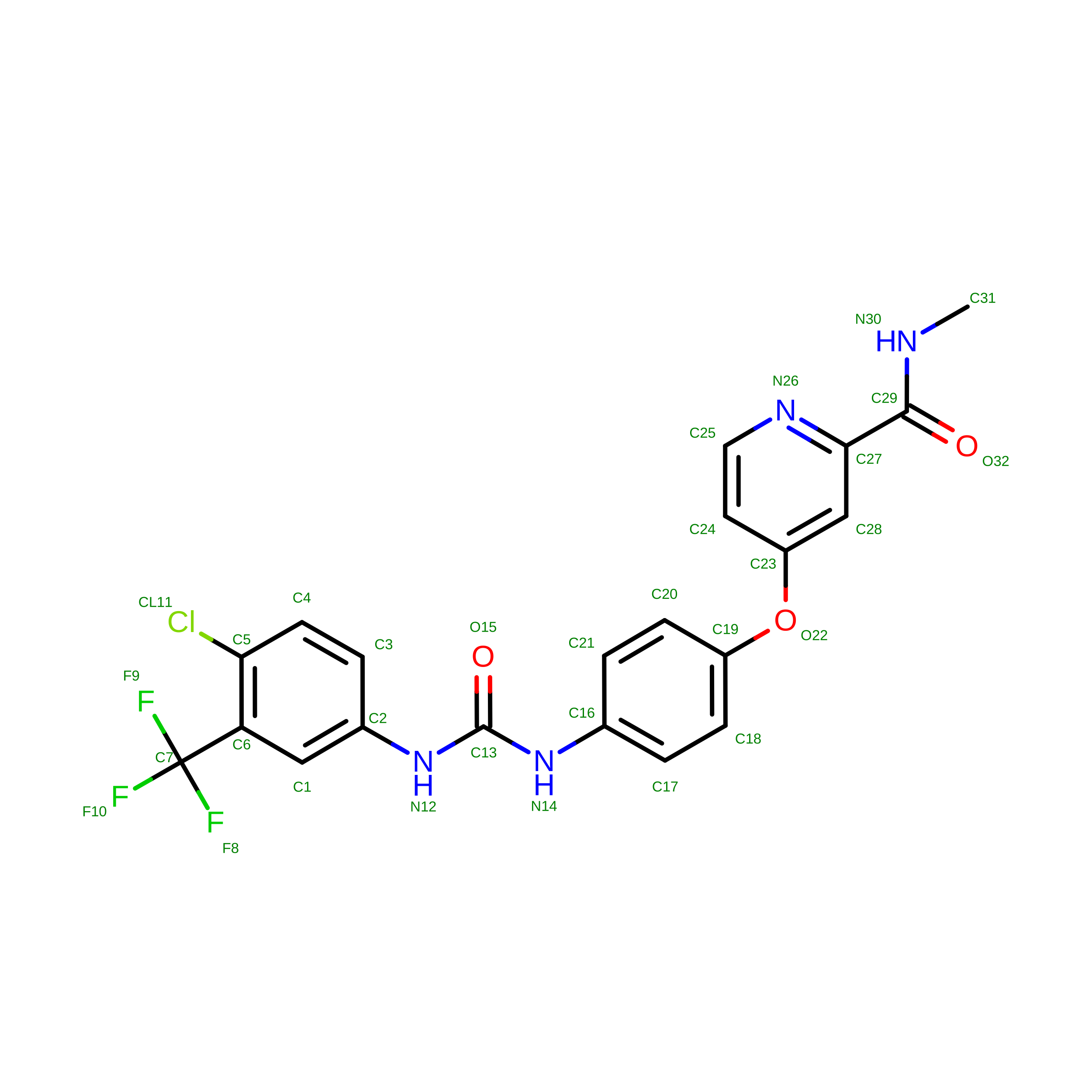
  • 3D structure of the VEGFR2 kinase domain bound to sorafenib (PDB 4ASD).
    Chemical structure of sorafenib

    PDB 4ASD

    Sorafenib

    bound to the VEGFR2 kinase domain

    X-ray, 2.03 Å · RCSB PDB · CC BY 4.0

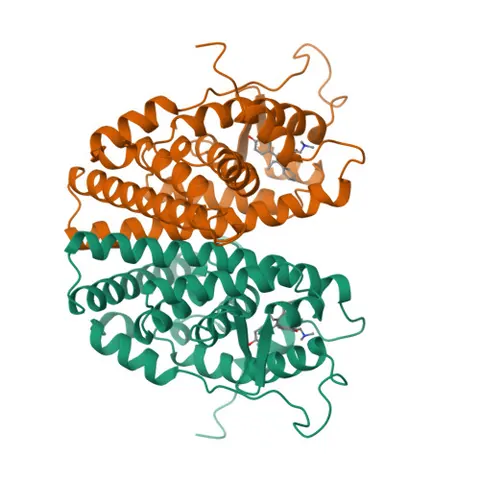
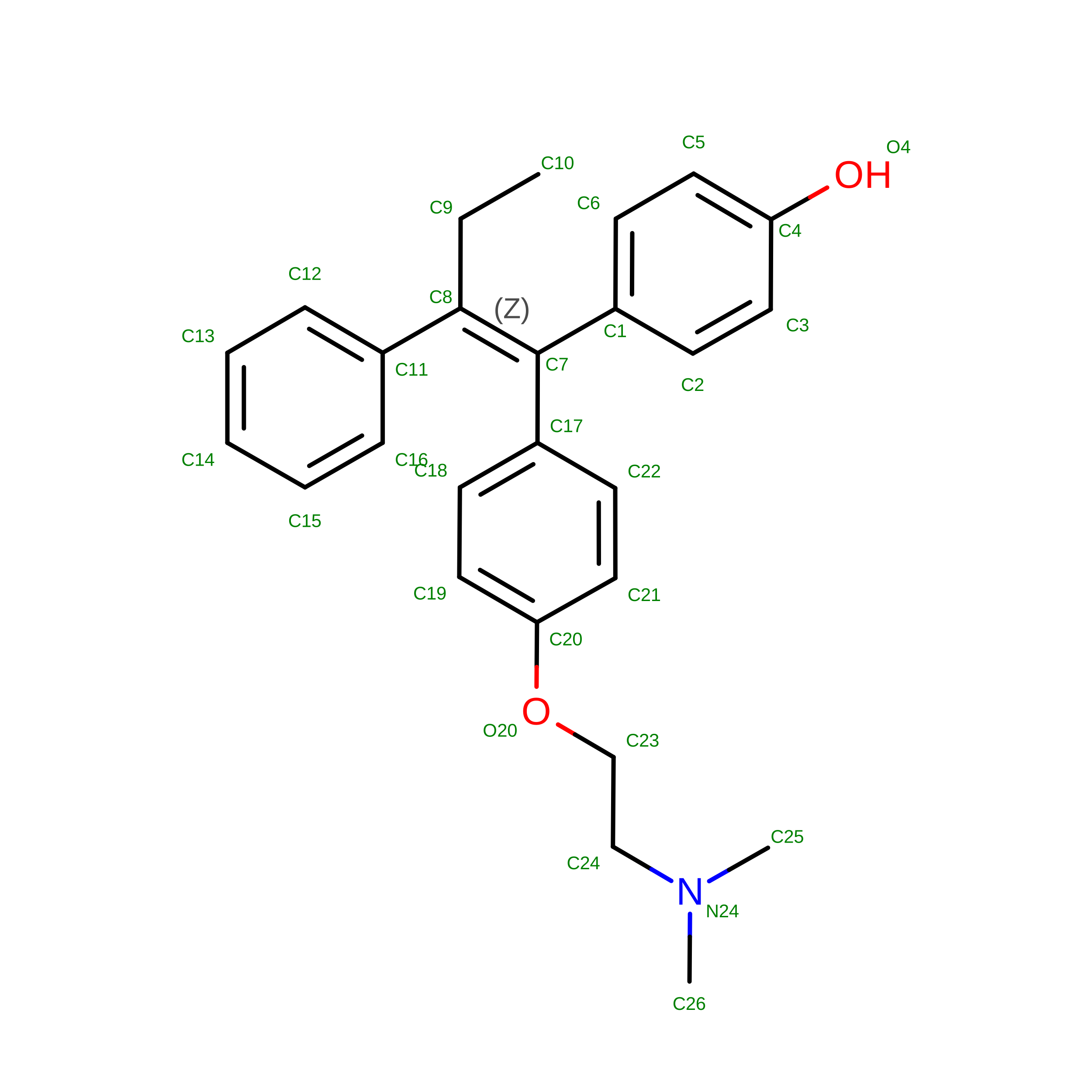
  • 3D structure of the Oestrogen receptor α ligand-binding domain bound to 4-hydroxytamoxifen (PDB 3ERT).
    Chemical structure of 4-hydroxytamoxifen

    PDB 3ERT

    4-Hydroxytamoxifen

    bound to the Oestrogen receptor α ligand-binding domain

    X-ray, 1.9 Å · RCSB PDB · CC BY 4.0
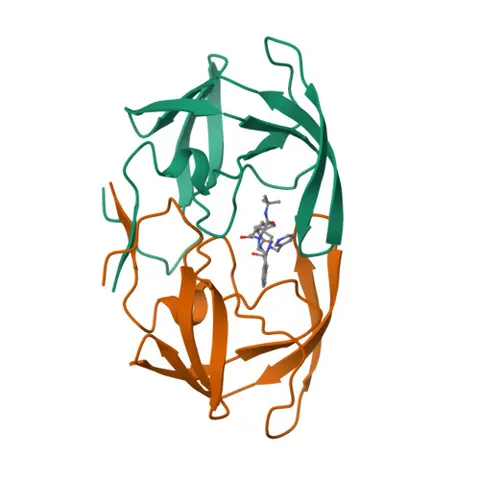
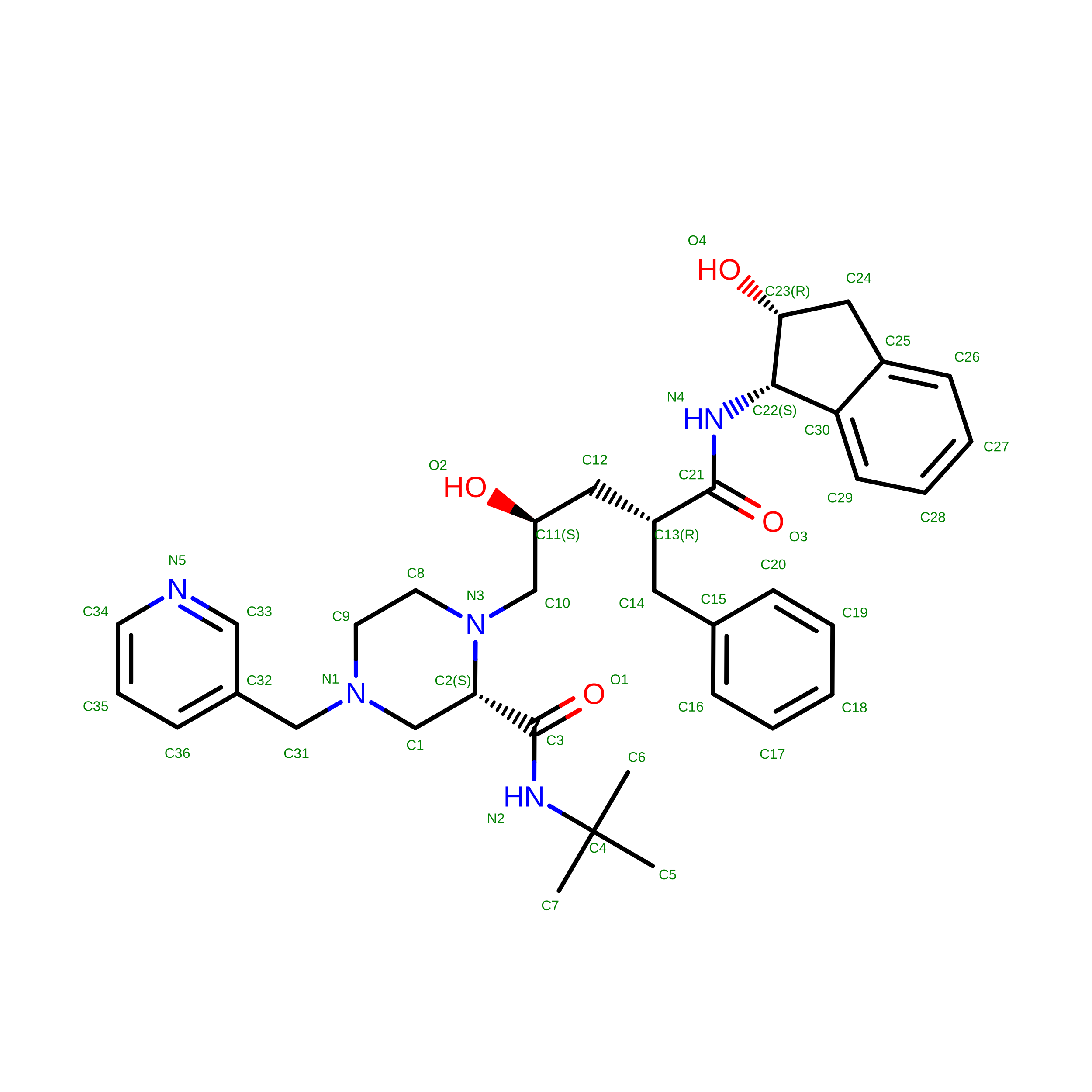
  • 3D structure of the HIV-1 protease bound to indinavir (PDB 1HSG).
    Chemical structure of indinavir

    PDB 1HSG

    Indinavir

    bound to the HIV-1 protease

    X-ray, 2 Å · RCSB PDB · CC BY 4.0

Scroll sideways · Published experimental structures shown to illustrate the kinds of targets and ligands we help researchers analyse.

The research lifecycle

Support at the stage you are at

Some clients need one stage; few need all six. We start where your project is.
  1. 1

    Research question

    Define what you need to know and what would answer it.

  2. 2

    Study design

    Groups, controls, replication and the analysis plan.

  3. 3

    Computational or experimental strategy

    In silico, laboratory or combined approaches.

  4. 4

    Data analysis

    Reproducible analysis of legitimate data.

  5. 5

    Interpretation

    What the results do — and do not — show.

  6. 6

    Reporting and next steps

    Clear figures, reporting and the most informative follow-up.

Research areas

Grounded in published research

Our scientific advice draws on published, peer-reviewed research experience in these five areas.
  • Stem Cells & Regenerative Medicine

    Mesenchymal stem cells, preconditioning, secretome, lysates and exosomes for tissue repair.

    Explore
  • Cancer Biology

    Apoptosis, angiogenesis, proliferation and oxidative stress in cancer cell models.

    Explore
  • Molecular Docking & Drug Discovery

    Structure-based screening, interaction analysis and network pharmacology as a starting point for experiments.

    Explore
  • Natural Products & Phytochemical Pharmacology

    Extracts and phytochemicals tested for antioxidant, anti-inflammatory, hepatoprotective and anticancer activity.

    Explore
  • Drug Delivery & Nanostructured Lipid Carriers

    Lipid nanocarriers and biomaterials to deliver cell-derived products and therapeutics.

    Explore

From molecules to microbes

Biology at every scale

Viruses, bacteria and the crowded inside of cells — painted from real structural data by David S. Goodsell. This is the molecular world behind the questions our clients ask.
Image credits and licences
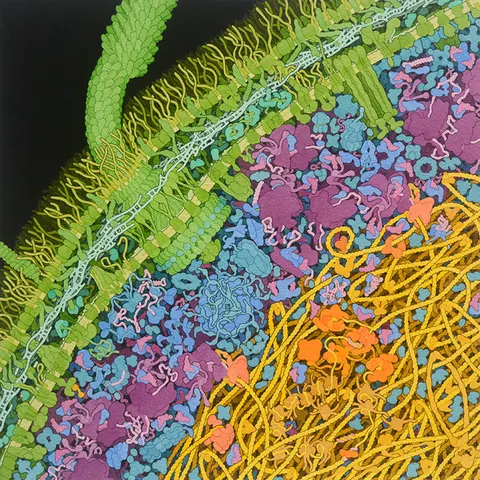
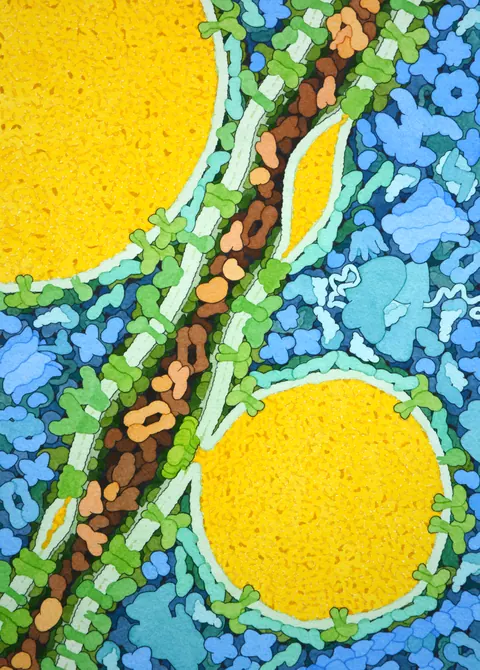
  • This painting shows a cross-section through an Escherichia coli cell. The characteristic two-membrane cell wall of gram-negative bacteria is shown in green, with many lipopolysaccharide chains extending from the surface and a network of cross-linked peptidoglycan strands between the membranes

    E. coli bacterium — cell wall, flagellum and crowded cytoplasm
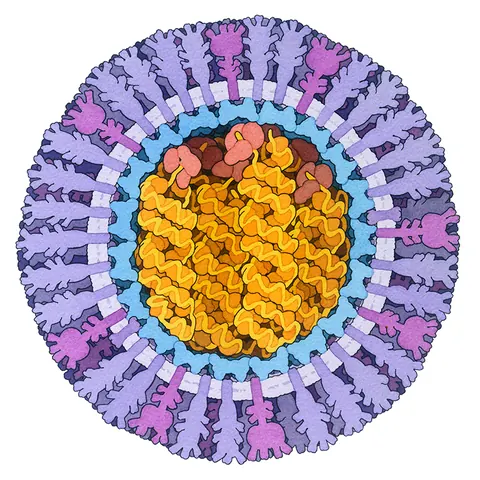
  • Cross section through an influenza virion. It is surrounded by a lipid bilayer membrane (light purple) filled with hemagglutinin (purple), neuraminidase (magenta), and a few M2 proteins (small purple proteins)

    Influenza virion in cross-section

  • Zika virus is shown in cross section at center left. On the outside, it includes envelope protein (red) and membrane protein (magenta) embedded in a lipid membrane (light purple)

    Zika virus entering a cell

  • This illustration shows HIV (the large spherical object in red) under attack by the immune system. Small Y-shaped antibodies are binding to its surface

    HIV in blood plasma, targeted by antibodies
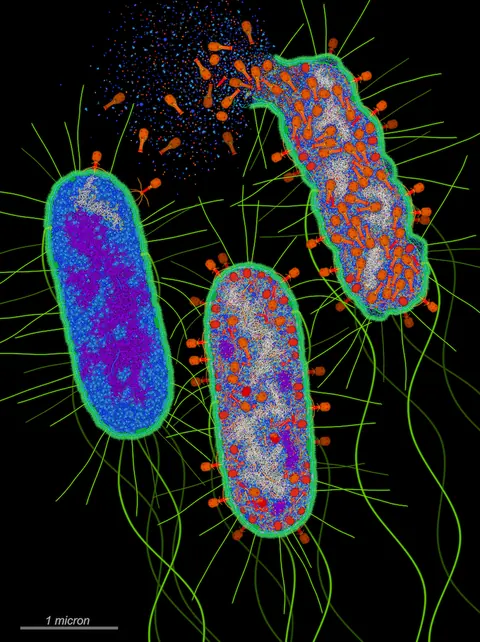
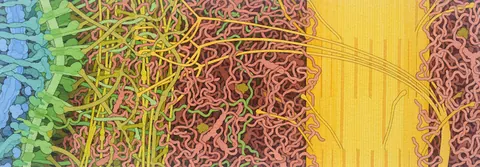
  • Snapshots from the life cycle of bacteriophage T4. At left, a bacteriophage (red) is injecting its DNA genome (white) into an Escherichia coli cell

    Bacteriophage T4 infecting bacteria

Meet the experts

Two complementary leads

Science and technology are led separately, so you always know whose expertise you are relying on.

Scientific Lead

Scientific Lead

Leads our scientific consulting, computational biology, experimental strategy, thesis methodology and mentorship work.

About the team

Technology Lead

Business & Technology Lead

Leads our data analytics, automation, reporting, project operations and client delivery.

About the team

Scholarship mentorship

Applying for an MPhil or PhD abroad?

We help you assess your profile honestly, find programmes and supervisors that fit your real research experience, and prepare documents you write yourself — using official university and funder information only.

How mentorship works
  • Profile assessment
  • Supervisor-search strategy
  • CV and statement feedback
  • Research-proposal coaching
  • Application tracker from official sources
  • Interview practice
Realistic outcomes: we cannot promise admission, funding, replies from supervisors or visa approval, and we do not give immigration advice.

How engagement works

Clear scope before any payment

  1. 1

    Submit a confidential enquiry

    A short summary of your question, stage and deadline.

  2. 2

    Receive an initial scope assessment

    We confirm whether we are the right fit and what the work would involve.

  3. 3

    Agree deliverables, timeline and price

    In writing, before any payment. Each item is labelled as consultation, review, analysis, coaching or editing.

  4. 4

    Work through documented milestones

    Progress notes at each milestone; decisions and versions recorded.

  5. 5

    Review results and receive final deliverables

    A walkthrough, final files and clear next steps.

More about how we work

Get in touch

Tell us what you’re working on.

A short summary is enough. We reply with an initial scope assessment.

Confidential by default
We never ask for patient data, passwords or confidential files in an enquiry.

All fields are confidential. Please share a summary only — no patient data, passwords, portal logins or confidential manuscripts.

Preview mode: online enquiries are not connected yet, so this form will not send anything.

Your question, the stage you are at, and what you have tried. A few sentences is enough.

0/2000

We reply by email with a written scope.